Kashi Ropeway Project: How It Could Boost Varanasi Tourism
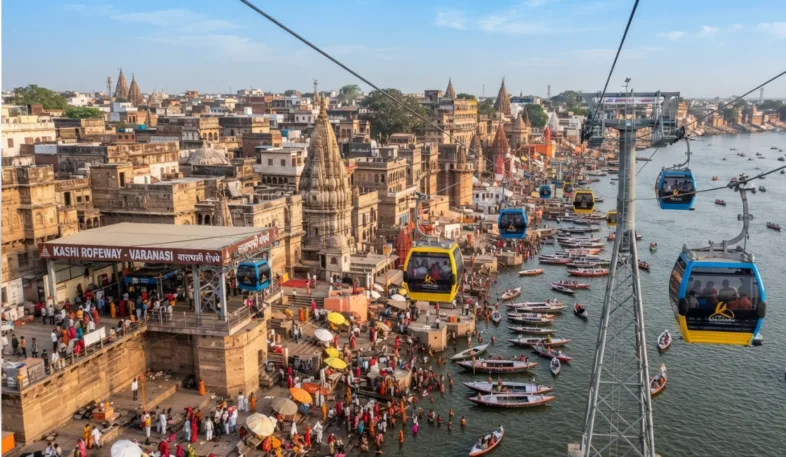
Oct 19: Kashi has always attracted visitors with its ancient temples, vibrant ghats and rich spiritual heritage. From early-morning boat rides on the Ganga to the evening Ganga Aarti, Varanasi offers an experience that draws pilgrims and travellers from across India and abroad. However, navigating its crowded streets can be challenging, particularly during festivals and peak pilgrimage seasons.
The Kashi Ropeway project aims to address part of this challenge by introducing a modern public transport system in the historic city. By improving connectivity between Varanasi Cantt railway station and Godowlia, the project could make travel more convenient for visitors while creating new opportunities for tourism, hospitality and local businesses.
Kashi Ropeway Project: How It Began
The foundation stone for the Varanasi Urban Ropeway was laid by Prime Minister Narendra Modi on March 24, 2023. Initially estimated to cost around ₹645 crore, the project was planned to improve connectivity between Varanasi Cantt railway station and Godowlia, an important access point for the Kashi Vishwanath Temple and the city’s historic centre.
The proposed corridor stretches approximately 3.85 kilometres and includes five stations: Varanasi Cantt, Kashi Vidyapeeth, Rath Yatra, Girja Ghar and Godowlia. The system is designed to offer an alternative to road transport in an area where congestion can significantly increase journey times.
The project is part of India’s wider effort to introduce ropeway systems as an alternative mode of transport in congested urban areas. According to the Ministry of Road Transport and Highways, the Varanasi ropeway is designed with 148 gondola cabins and a planned capacity of up to 96,000 passengers a day.
Once operational, the ropeway is expected to reduce the journey between Cantt railway station and Godowlia to approximately 15–16 minutes, potentially saving considerable time compared with road travel during heavy traffic.
Kashi Ropeway Project: Construction Progress and the Road Ahead
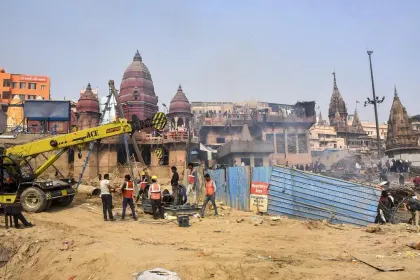
The project has moved through several stages of construction since its foundation stone was laid in 2023. Its remaining work, operational readiness and required safety clearances will determine when passenger services can begin.
For travellers and tourism businesses, the opening of the ropeway will be an important milestone. However, an anticipated completion timeline should not be confused with the confirmed start of commercial operations.
Once services begin, the ropeway could provide a more predictable way for visitors to travel between the railway station and the central pilgrimage area. Its effectiveness will depend on reliable operations, convenient ticketing, affordable fares and smooth connections with other modes of transport.
How the Kashi Ropeway Could Transform Varanasi Tourism
For many visitors, a trip to Varanasi involves fitting several experiences into a limited period. Temple visits, boat rides, heritage walks, local food and shopping all compete for time, while traffic congestion can make moving between locations difficult.
The ropeway could make the journey from the railway station towards Godowlia faster and more convenient. This may be particularly helpful for pilgrims arriving by train, families travelling with children, senior citizens and tourists planning a short stay.
The aerial journey could also become an attraction in its own right. Travelling above the city would offer passengers a different perspective of Varanasi’s urban landscape and add another experience to a destination already known for its spiritual and cultural appeal.
Improved access may encourage visitors to spend more time exploring local markets and heritage attractions. However, the ropeway will serve a specific corridor rather than the entire city, so walking routes and last-mile transport will remain essential.
A New Opportunity for Pilgrimage Tourism
Varanasi welcomes pilgrims throughout the year, with demand increasing during occasions such as Mahashivratri, Dev Deepawali and the holy month of Shravan. Managing large crowds during these periods is a major challenge for local authorities.
A high-capacity ropeway could provide another option for moving passengers between important locations. By offering an alternative to road travel along its route, it may help ease some congestion and improve the experience of reaching the temple district.
For pilgrims arriving for a short visit, quicker access could make it easier to plan temple darshan alongside other activities. The system may also be useful for visitors who find long journeys through crowded streets physically demanding.
The benefits will depend on station accessibility, operating hours, ticket prices and crowd management. The ropeway will not eliminate congestion across Varanasi, but it could become a valuable addition to the city’s pilgrimage infrastructure.
Tourism Growth Could Benefit Local Businesses
Tourism supports a wide network of businesses in Varanasi, including hotels, guesthouses, restaurants, tour operators, guides and handicraft sellers. Better connectivity could help these businesses reach visitors more effectively.
Hotels and accommodation providers may benefit if improved access encourages more short-stay travellers. Local retailers selling Banarasi silk, traditional textiles, handicrafts and souvenirs could also gain if visitors have more time to explore the city’s markets.
Tour operators may find opportunities to create packages combining ropeway travel with temple visits, heritage walks, boat rides and local food experiences. Businesses near the stations could benefit from increased passenger movement, provided the surrounding areas remain accessible and well managed.
The project could also support employment in transport operations, maintenance, hospitality and tourism services. Small businesses may find new opportunities to develop products and experiences for visitors who want to explore more of Kashi during their stay.
These benefits remain potential outcomes rather than guaranteed results. Their scale will depend on passenger demand, visitor spending and the ability of local businesses to adapt to changing travel patterns.
Can the Kashi Ropeway Support Sustainable Urban Mobility?
One of the project’s main advantages is its potential to transport large numbers of passengers without requiring additional road space along the entire route. This is particularly relevant in Varanasi, where narrow streets and historic neighbourhoods limit the scope for conventional transport expansion.
If the ropeway attracts passengers who would otherwise use private vehicles or taxis, it could help reduce some road traffic. Its environmental benefits, however, will depend on electricity consumption, passenger occupancy and the number of road journeys it replaces.
The larger challenge is to improve urban mobility without compromising the city’s historic character. Modern transport infrastructure must complement Varanasi’s temples, ghats and heritage neighbourhoods while making the city more accessible to residents and visitors.
Challenges That Could Shape the Project’s Success
Completing construction is only the first step. The ropeway’s long-term success will depend on reliable operations, passenger safety, affordable fares and convenient connections to other transport services.
Last-mile connectivity will be especially important. A quick ropeway journey will offer limited benefits if passengers face difficult road crossings, long walks or congestion after leaving a station.
Authorities will also need to provide accessible facilities for senior citizens and people with disabilities, clear ticketing information and effective crowd management during major festivals.
The surrounding areas will require careful planning as well. Increased passenger movement could create commercial opportunities, but it will be important to maintain pedestrian access, manage traffic around stations and protect the character of nearby neighbourhoods.
Addressing these practical concerns will help ensure that the ropeway serves local residents and pilgrims as well as tourists.
The Road Ahead for Kashi Tourism
The Kashi Ropeway project represents an important step in Varanasi’s efforts to improve urban transport while accommodating its tourism needs. Its proposed connection between Cantt railway station and Godowlia could make access to the city’s spiritual and cultural centre faster and more convenient.
The project also reflects a broader opportunity for Indian heritage cities: using modern infrastructure to improve visitor mobility while supporting local economic activity.
In the longer term, the ropeway’s success will depend on how effectively it connects with railway services, local transport, heritage walks, accommodation and tourism businesses. Affordable fares, reliable operations and a comfortable passenger experience will be just as important as the infrastructure itself.
For Kashi, the opportunity goes beyond reducing travel time. The ropeway could help make the visitor experience more accessible, create opportunities for local businesses and demonstrate how modern transport can support tourism in a city whose cultural identity has endured for centuries.
Original link: https://businessnewsthisweek.com/travel/kashi-ropeway-project-how-it-could-boost-varanasi-
If you are the publisher of this material and would rather it were not here, write to info@banaraslive.com.